Sep 3, 2026
10 reasons forests need more than one tree species
Every tree species plays a different role. Here are ten reasons EcoTree always plants a mix, and the species behind each one.
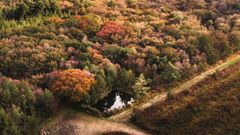
Stand in a mixed forest for long enough, and you start to notice the shift work.
At dawn, bees are already moving through lime blossom. By midday, a woodpecker is drumming into the soft, ancient bark of an oak that has stood since before your grandparents were born. Fallen leaves and dead wood are quietly feeding a soil that, in turn, feeds everything above it. Nothing here is doing the same job. That's rather the point.
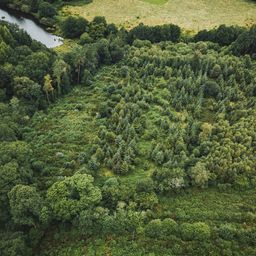
No single tree species could produce that scene alone. A forest made entirely of one kind of tree can look impressive from a distance, tall, uniform, orderly, but it's really more of a workforce doing one job, over and over. A real forest needs specialists: the feeders, the shelterers, the soil builders, the water cleaners, the ones built to outlast us all. That's why we don't plant single-species blocks. We plant a mix of min. three species so that every job a forest needs done actually gets done.
To make that easier to see (and easier to choose from), every tree in the TreeShop now carries an impact tag. Think of it as a job title. Below, we're introducing the ten roles a forest relies on, and a few of the specialists who fill each one
One tree, several jobs
Before we get into it, a quick note on how to read these tags: most species aren't confined to a single role. A rowan feeds wildlife through winter and is also rather good for pollinators in spring. A common beech builds soil health while quietly sheltering generations of birds in its canopy.
This matters for a fairly simple reason: it makes tree buying easier. Choosing a tree as a gift for someone who loves birdwatching? Look for something tagged for shelter or wildlife feeding. Want to plant something that reflects a milestone worth marking for decades? Growing for centuries is your category. The tags aren't a cage each species sits in; they're a way of navigating towards the tree that actually fits what you (or whoever you're planting for) care about.
With that in mind, here's the full cast:
1. Boosting biodiversity
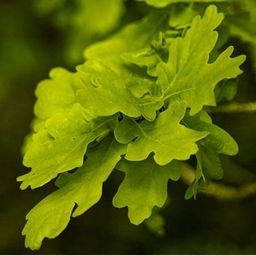
Some trees don't just contribute to a forest; they anchor it. This tag goes to species that combine food and shelter in one package, hosting hundreds of species at once or acting as a keystone that everything else quietly depends on.
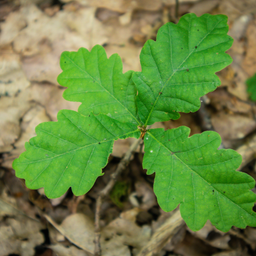
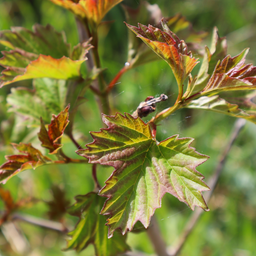
Species to look for are Sessile Oak and Field Maple.
2. Feeding pollinators
Each spring, these trees throw their flowers open to bees, butterflies and hoverflies hunting for pollen and nectar. For pollinators working against shrinking wild habitat, a reliable flowering tree can be the difference between a thriving colony and a struggling one.
Species to look for are Hazel and Wild Cherry.
3. Feeding wildlife
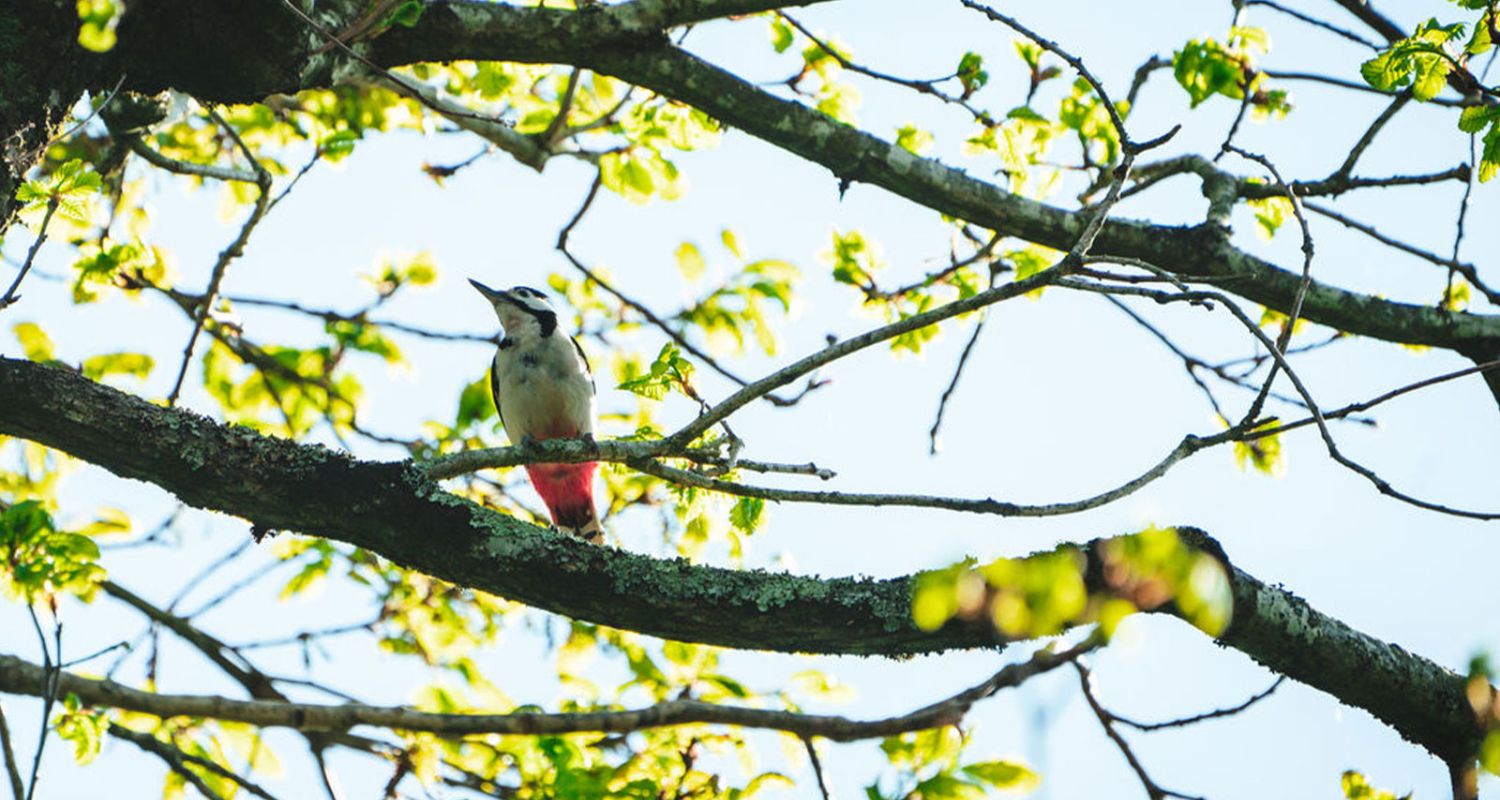
Come autumn, these trees turn into a pantry. Their nuts, fruit, seeds and berries feed birds, squirrels and countless other mouths through the leanest months of the year, a small act of generosity that repeats every single season.
Species to look for are Rowan, Hawthorn and Common Walnut.
If you've got a particular animal or person in mind while you're reading this, this is usually the tag worth starting from.Have a look through the shop and see which species match.
4. Sheltering wildlife
Not every tree needs to feed a forest to support it. Some species simply offer somewhere safe to be. Thick branches, textured bark and dense canopy make these species prime real estate for nesting, roosting and hiding from both predators and weather.
Species to look for are Norway spruce and Maritime Pine.
5. Creating healthy soil
Healthy forests are built from the ground up, and these trees do the unglamorous, essential work of getting there. As their leaves and needles break down, they return nutrients to the soil, feeding the microorganisms and fungi that keep a forest's foundations alive.
Species to look for are Beech and Black Locust.
6. Cleaning water
Beneath the surface, roots are doing some of the most important work in the whole forest. As rainwater filters through the soil, these species' root systems catch sediment and pollutants before they ever reach a stream, a river or the groundwater underneath your feet.
Species to look for are Poplar and Sitka Spruce.
7. Building climate resilience
As weather patterns shift, forests need trees that can hold their ground, quite literally. These species are built to handle drought, heat, cold or storms, stabilising soil and retaining moisture when conditions turn difficult. Planting them isn't a fix; it's an investment in a forest that can adapt rather than merely survive.
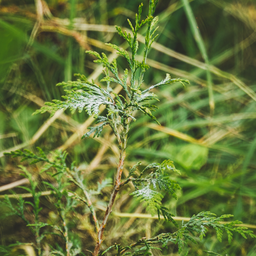
Species to look for are Cedar, Downy Oak, and Hungarian Oak.
8. Regenerating forests
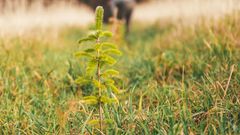
Every forest that comes back from bare or degraded land needs a first wave of trees willing to go in fast, establish quickly and prepare the ground for everything that follows. These are the pioneers, the ones that get a struggling landscape moving again.
Species to look for are Birch and Vancouver Fir.
9. Growing for centuries
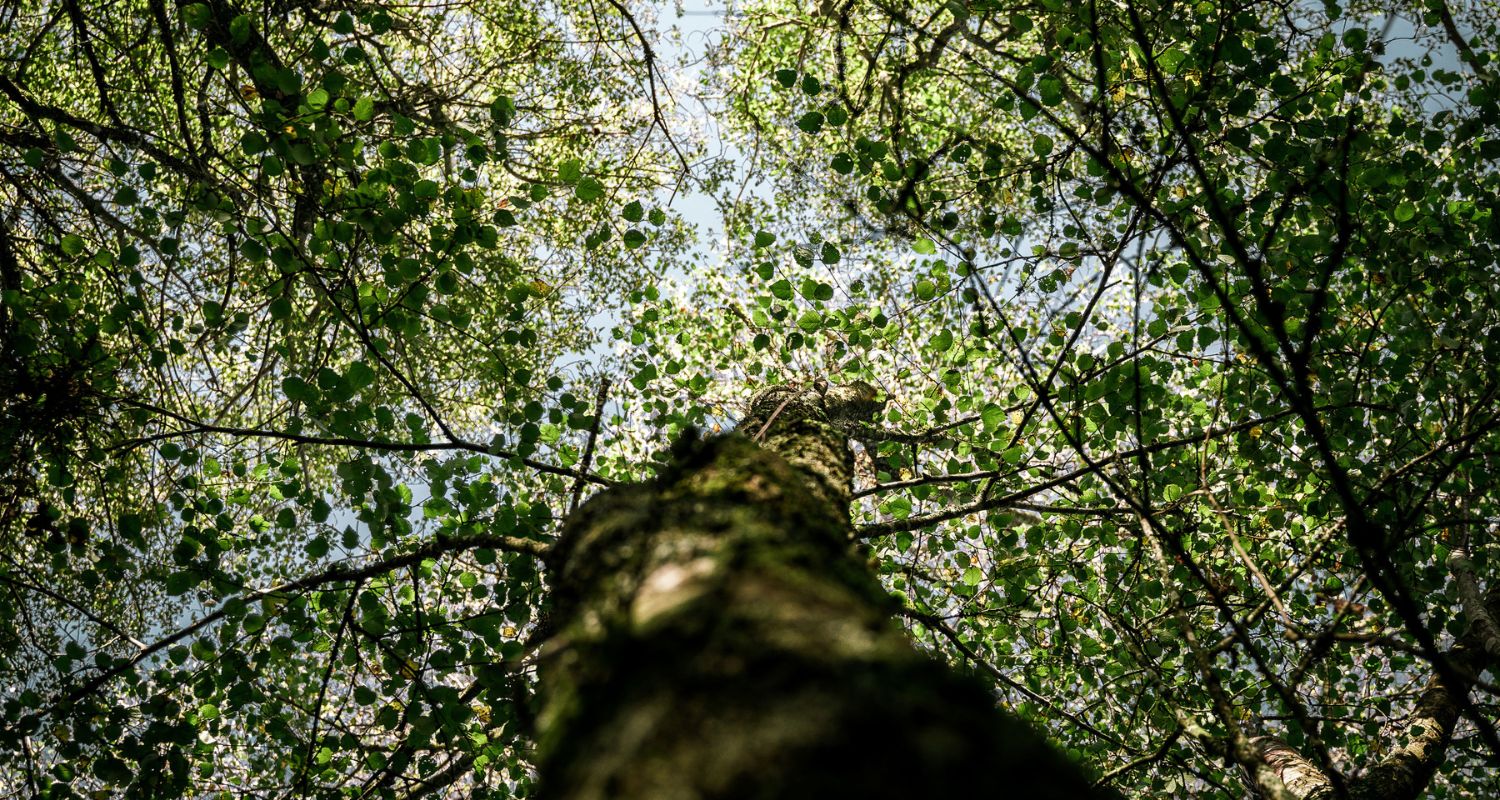
Some trees are planted with a much longer view in mind. These species can live for hundreds of years, meaning the ones planted today could still be standing, sheltering wildlife and holding carbon, long after we're gone. Their value only grows with age.
Species to look for are Redwood and Western Red Cedar.
10. Capturing carbon
This last one isn't really a specialism so much as a quiet constant running underneath all the others. As any of these trees grow, they draw carbon dioxide from the air and lock it away in trunk, branch and root, for as long as they live. Every tree in your forest is doing this job simultaneously with whichever other role it's been tagged for, which is rather the beauty of it.
If you've made it this far, you'll have noticed a pattern: no tree tackles a forest's problems alone, and no forest worth the name relies on just one tree to try. That's the whole argument for planting mixed-species forest. Together, ten different specialisms overlap into something that functions less like a plantation and more like an ecosystem with a pulse.
So next time you're choosing a tree, whether it's a gift, a way to mark an occasion, or simply a species that speaks to you, start with the job you want it to do. Browse the tree shop and let the impact tags point you towards the specialist that fits.