Jun 4, 2026
7 reasons why planting pine trees matters more than we think
From restoring damaged ecosystems to supporting wildlife, discover why pine trees are essential for resilient and diverse European forests.
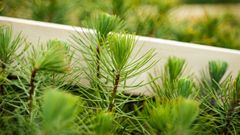
Often overlooked and sometimes misunderstood, pine trees play a far greater role in European forests than many people realise.
The misunderstood tree of European forests
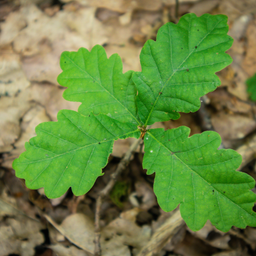
When people picture a healthy forest, they often imagine majestic oak trees, colourful maples, or dense beech forests. Pine trees rarely receive the same admiration. They are sometimes seen as too common, less diverse, or even less valuable for nature. Yet pine trees play a crucial role in many European ecosystems. From restoring damaged land to sheltering wildlife and helping forests adapt to climate change, pine species are far more important than they are often given credit for.
It reminds us that a tree is much more than simply wood and leaves.
Here are seven reasons why it is relevant and in some cases important to include pine trees in a forest management plan:
1) The trees that return when ecosystems struggle
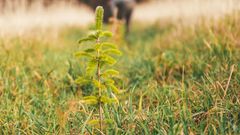
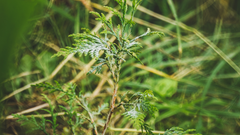
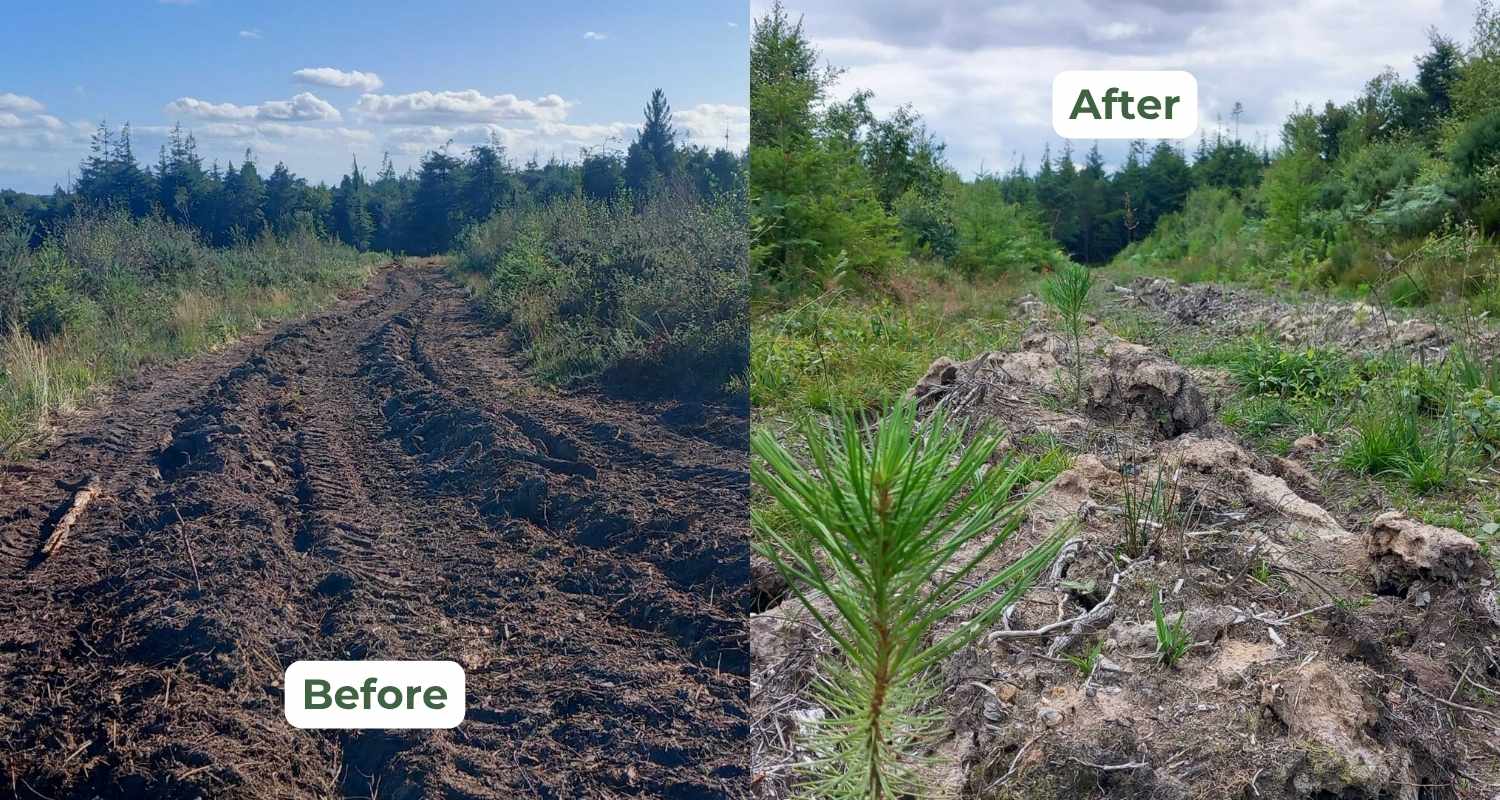
One of the greatest strengths of pine trees is their ability to grow where other species cannot. Pines can establish themselves on poor, rocky, sandy or dry soils, often in landscapes that erosion, drought, storms, or intensive land use have heavily degraded. Because of this resilience, they are often considered “pioneer species” trees capable of returning life to damaged ecosystems.
At a time when deforestation and environmental degradation continue to threaten ecosystems worldwide, these restoration capacities are becoming increasingly important, particularly in regions already affected by the long-term consequences of deforestation and climate change.
Some trees help forests come back to life. Discover trees growing in sustainably managed European forests.

2) Quiet protectors of soils and water
Pine trees do far more than simply grow in difficult environments. Their root systems play an important role in protecting fragile landscapes. By stabilising soils and limiting erosion, pine forests help reduce water runoff and protect vulnerable terrain, especially in coastal and mountainous areas. Their canopy also creates more stable forest conditions by reducing soil drying and maintaining moisture levels. In a changing climate marked by increasing droughts and extreme weather events, these functions are becoming more important than ever.
3) Entire species depend on pine forests
Pine forests are far from empty ecosystems. In reality, they support a remarkable diversity of life. Across Europe, species such as the Western Capercaillie, owls, woodpeckers, squirrels, insects, lichens and fungi all depend on pine habitats for food, shelter, or nesting sites. Old pine forests are especially valuable for biodiversity. Standing deadwood, fallen trunks, and ancient pine trees create habitats that can take decades, sometimes centuries, to form naturally. These mature ecosystems provide refuge for rare insects, cavity-nesting birds, bats, mosses, and specialised fungi.
A healthy forest with pine being one of the tree species is not just a collection of trees. It is an entire living network.
Did you know? When we talk about pine trees, we're not talking about just one species. Europe is home to many different pine species, including:
• Scots Pine (Pinus sylvestris)
• Black Pine (Pinus nigra)
• Stone Pine (Pinus pinea)
• Maritime Pine (Pinus pinaster)
• Mountain Pine (Pinus mugo)
• Swiss Stone Pine (Pinus cembra)
Each species is adapted to different climates and landscapes, from Mediterranean coastlines to alpine mountains and northern forests.
4) Pine trees and climate resilience
As European forests face increasing pressure from climate change, pine trees are becoming increasingly important. Certain species, such as Scots pine or Black pine, tolerate drought and extreme temperatures better than many other trees. While species like Norway spruce can struggle during prolonged droughts and heatwaves, pines are often able to continue growing and storing carbon even under harsher environmental conditions. Their presence can also help create forest microclimates that protect younger trees and reduce environmental stress within the ecosystem. Their ability to create shade and regulate local temperatures is becoming increasingly valuable as cities and natural landscapes alike experience rising temperatures, highlighting once again why trees are among the most effective natural cooling systems on Earth.
5) A hidden world beneath the forest floor
Much of the importance of pine trees remains invisible to the human eye. Below the surface, pine roots are connected to vast underground fungal networks known as mycorrhizae. These symbiotic relationships help trees absorb water and nutrients more efficiently while strengthening the resilience of the entire ecosystem. Through these underground connections, forests become highly interconnected living systems rather than isolated individual trees.
6) The real problem is not pine trees
Pine forests are sometimes criticised because of large monoculture plantations that can be vulnerable to pests, storms or disease. However, the issue is not the pine tree itself.
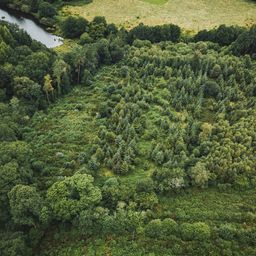
The real challenge often comes from a lack of diversity and simplified forest management practices. When pine trees are integrated into mixed and sustainably managed forests, they can provide significant ecological benefits while contributing to healthier, more resilient ecosystems. Like all forests, balance and diversity remain key.
7) Why Europe still needs pine trees
As biodiversity declines and climate pressures intensify, pine trees may become some of Europe’s most valuable allies. They restore degraded land, stabilise fragile soils, shelter wildlife, support underground ecosystems, and help forests adapt to changing environmental conditions. Far from being ordinary trees, pines are often the species quietly rebuilding life where nature has been weakened. Healthy forests need diversity, and pine trees are an essential part of the balance.
They grow through protection, diversity, and long-term care. Support resilient European forests and become part of the restoration.
Want to help take action for European forests?
Become a tree owner and help forests grow stronger for the future. You can choose your tree(s) from a varied selection of species directly in our shop. And get updates from when your trees is planted and the actions we take in your tree’s forest.