Jun 23, 2026
Before you pack your bag: you slow travel guide to a greener summer
Planning your summer holiday? These 7 slow travel tips will help you make it a little greener - without giving up the things that make it special.
The bag is on the bed. The tabs are open. The group chat is buzzing. Summer is almost here, and whether you're heading somewhere far or staying close to home, there's a quiet moment right now, before you zip up and head out, where a few small choices can make your holiday feel a little lighter. Not lighter as less fun. Lighter as in more intentional, more connected, and yes, a little kinder to the planet you're about to explore. Here are 7 travel tips to consider before you go:
1. Make the journey part of the adventure
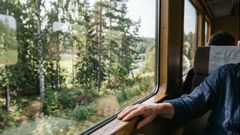
The train from Copenhagen to Paris takes about 14 hours, and there are overnight trains from Hamburg to Paris. It also takes you through some of the most quietly beautiful landscapes in northern Europe. The same trip by plane takes two hours and deposits you in an airport that looks like every other airport.
Wherever possible, choose the slower way. Train, bus, or a good road trip with people you actually like. You'll arrive having already started your holiday rather than just survived the getting there.
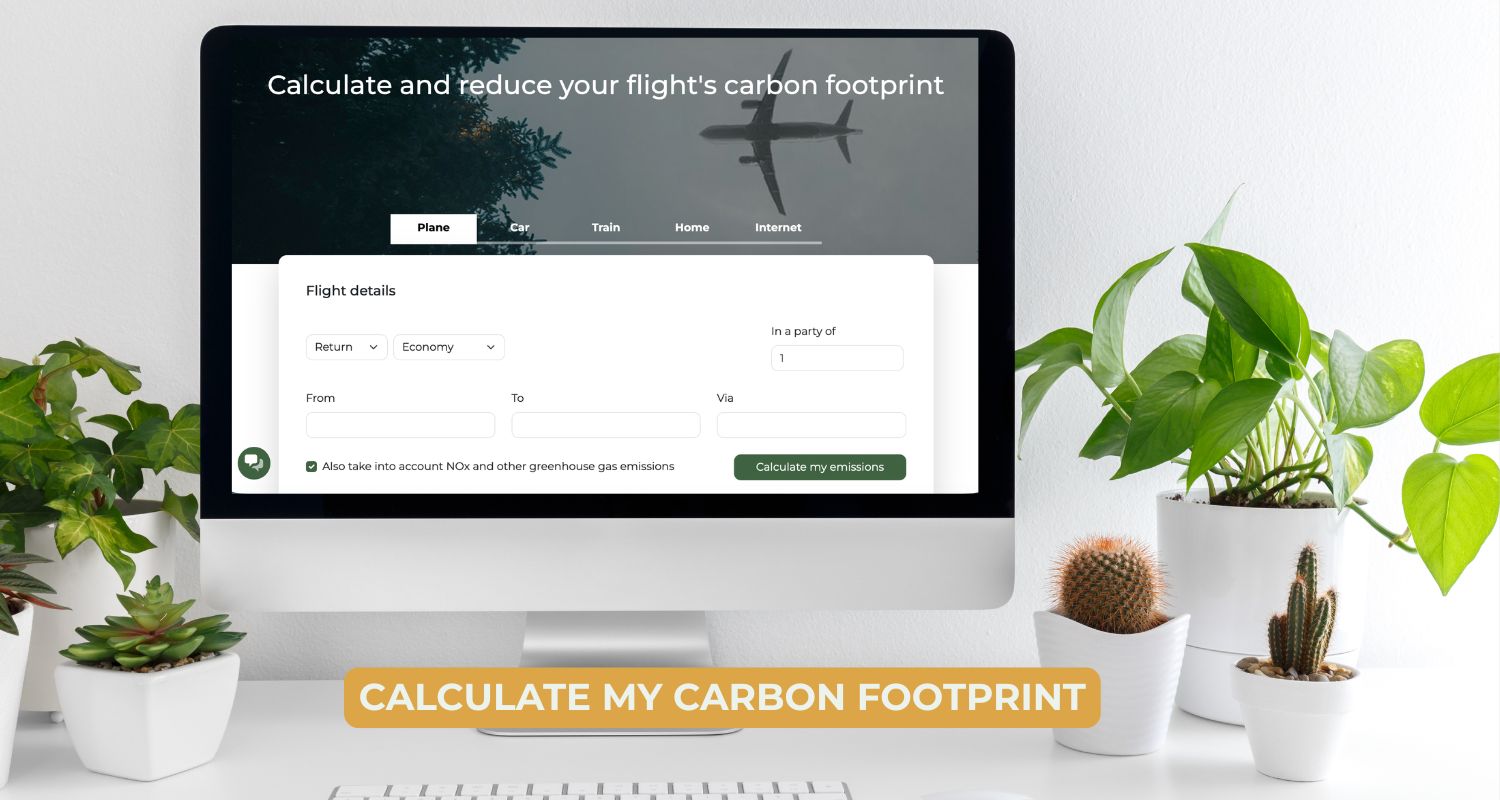
You can use our carbon calculator to see how much you can reduce your travel footprint by switching your mode of transportation.
2. Go closer than you planned
The west of France is beautiful. So is the Swedish coast. So is the Danish island you've been meaning to visit for three years. And Germany is home to an array of nature gems.
A staycation or a nearby destination isn't a consolation prize; it's a different kind of discovery. Proximity forces you to look more carefully. You notice things you'd have flown over.
3. Learn the ecosystem before you arrive
Before you pack, spend twenty minutes reading about where you're going, not the restaurants, but the landscape. What kind of forest is that? Is the coastline eroding? Are there rewilding projects nearby?
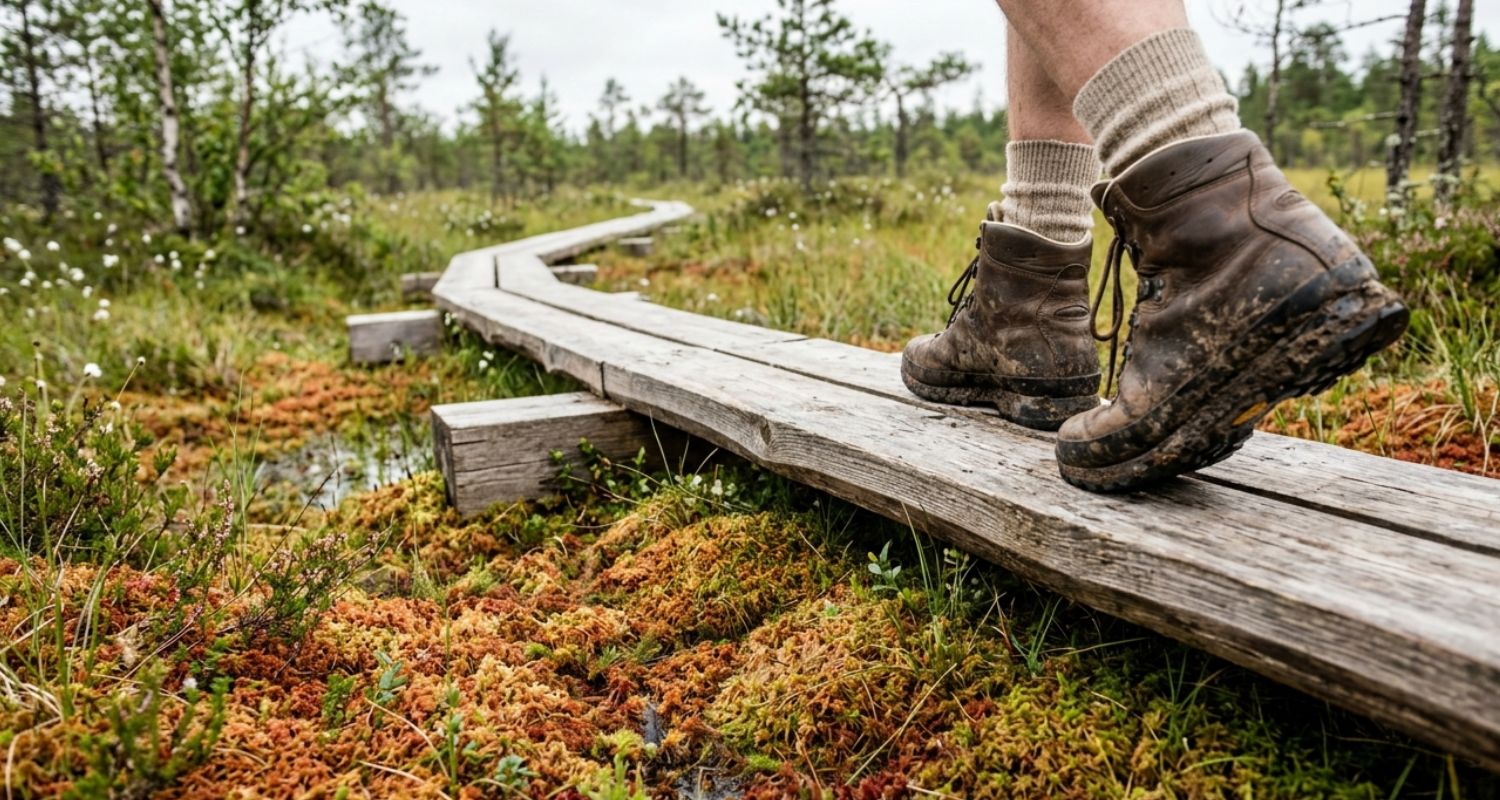
Knowing a little about the ecology of a place changes how you move through it. A bog stops being a boring patch of wet ground and becomes one of the most carbon-dense ecosystems on the planet. A forest becomes a conversation.
EcoTree's projects span forests, wetlands and natural habitats across Europe; browsing them is actually a surprisingly good way to start learning what to look for.
4. Eat and spend like a local
This one has nothing to do with authenticity tourism. It's simpler than that: food that hasn't travelled far tastes better, costs less, and produces a fraction of the emissions of the imported alternative. And it helps support the local economy. So, really, it’s a win-win for you, the local community, and the planet.
Find the market. Order the thing you don't recognise. Leave money in the place you're visiting rather than the platform you booked it through.
5. Observe, don't just visit
Forest bathing. Coastal walks. Early mornings in the garden of wherever you're staying. There's a version of holidaying that treats nature as a backdrop, and a version that treats it as the main character. The second one is slower, cheaper, and tends to be the version you actually remember.
If you're travelling somewhere with remarkable biodiversity, a national park, a coastal reserve, a river valley, consider downloading a species identification app before you go.
iNaturalist is free and genuinely addictive.
6. Know your footprint, then do something with that knowledge
If you are flying this summer, and plenty of people are, it's worth knowing what that actually means in carbon terms. EcoTree's carbon calculator takes about two minutes to run and gives you a concrete number rather than a vague sense of guilt.
What you do with that number is up to you. Some people choose to offset through a forest subscription, supporting active reforestation and biodiversity projects in Europe. Others use it as information. Either way, knowing is better than not knowing.
7. Bring the mindset home
Slow travel isn't really about how fast you move. It's about paying attention.
The best thing about a greener holiday is that it tends to make you a more curious traveller, and that curiosity doesn't have to end when the bag is unpacked. The ecosystems you noticed, the forest you walked through, the wetland you read about before you left: they're still there when you get back, and they still need looking after.
That's more or less what EcoTree is about. Not guilt. Just attention, and what you choose to do with it.
Curious about your summer footprint? Try the EcoTree carbon calculator, or explore our forest subscription plans.