Feb 19, 2026
Forest biodiversity: How insects, trees & habitats keep ecosystems alive
Insects, key tree species and diverse habitats form intricate networks that sustain life in forests, from nutrient cycling to food chains.
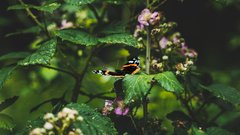
Explore forest biodiversity: Learn how insects, tree species and diverse habitats sustain ecosystems. Discover forest management for biodiversity conservation.
Walk through a forest, and you might hear only the wind through the leaves or the occasional bird call, a reminder of the changes in forest life. But beneath this calm surface, life is bustling. Forest biodiversity, the network of insects, trees, birds, mammals, fungi and plants, sustains the health of the ecosystem. Tiny pollinators, decomposers and predators all work together to keep forests healthy and contribute to the earth’s biodiversity.
At EcoTree, we see this every day. Our forests are alive with interactions that ensure resilience against climate change, pests and environmental changes.
Why forest biodiversity matters
Forest biodiversity matters because it makes ecosystems stronger and more adaptable. In diverse forests, different species respond differently to droughts, storms, pests and disease. If one species suffers, others can continue to grow, keeping the natural forest stable and resilient. This natural resilience is one of the most powerful tools we have to face climate change.
Biodiverse forests also support essential ecosystem services that benefit the world’s forests. Trees store carbon and clean the air, playing a vital role in the health of the earth’s ecosystems. Soil organisms filter water and recycle nutrients. Pollinators ensure plants can reproduce, which is essential for the health of the world’s forests. Birds and mammals disperse seeds that regenerate forest landscapes naturally.
For humans, the benefits are equally important. Healthy forests reduce flood risks, improve water quality, provide timber and non-timber forest products and offer spaces for recreation and well-being. Many medicines also originate from forest plants and fungi. In short, forest biodiversity underpins both environmental and human health.
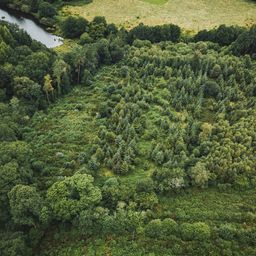
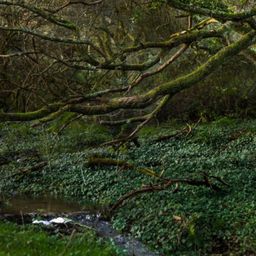
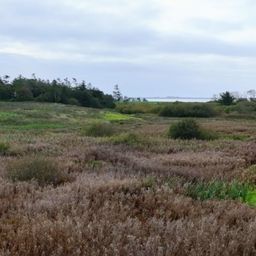
At EcoTree, protecting biodiversity is central to how forests are managed within the global forest framework. We plant mixed species instead of monocultures, protect dead wood that supports insects and fungi and restore natural habitats such as ponds and wetlands. These actions help forests remain productive and healthy over the long term while supporting terrestrial biodiversity and wildlife.
The essential role of insects in forests
Insects are often associated with gardens or summer evenings but in forests, they are among the most important ecosystem engineers for biological diversity. Without insects, forests would struggle to regenerate, soils would lose fertility and food chains would collapse.
In a single hectare of healthy forest, there can be millions of insects, most of them hidden underground, inside dead wood or beneath leaf litter. Their work happens quietly but its impact is enormous.
1. Pollinators that keep forests growing
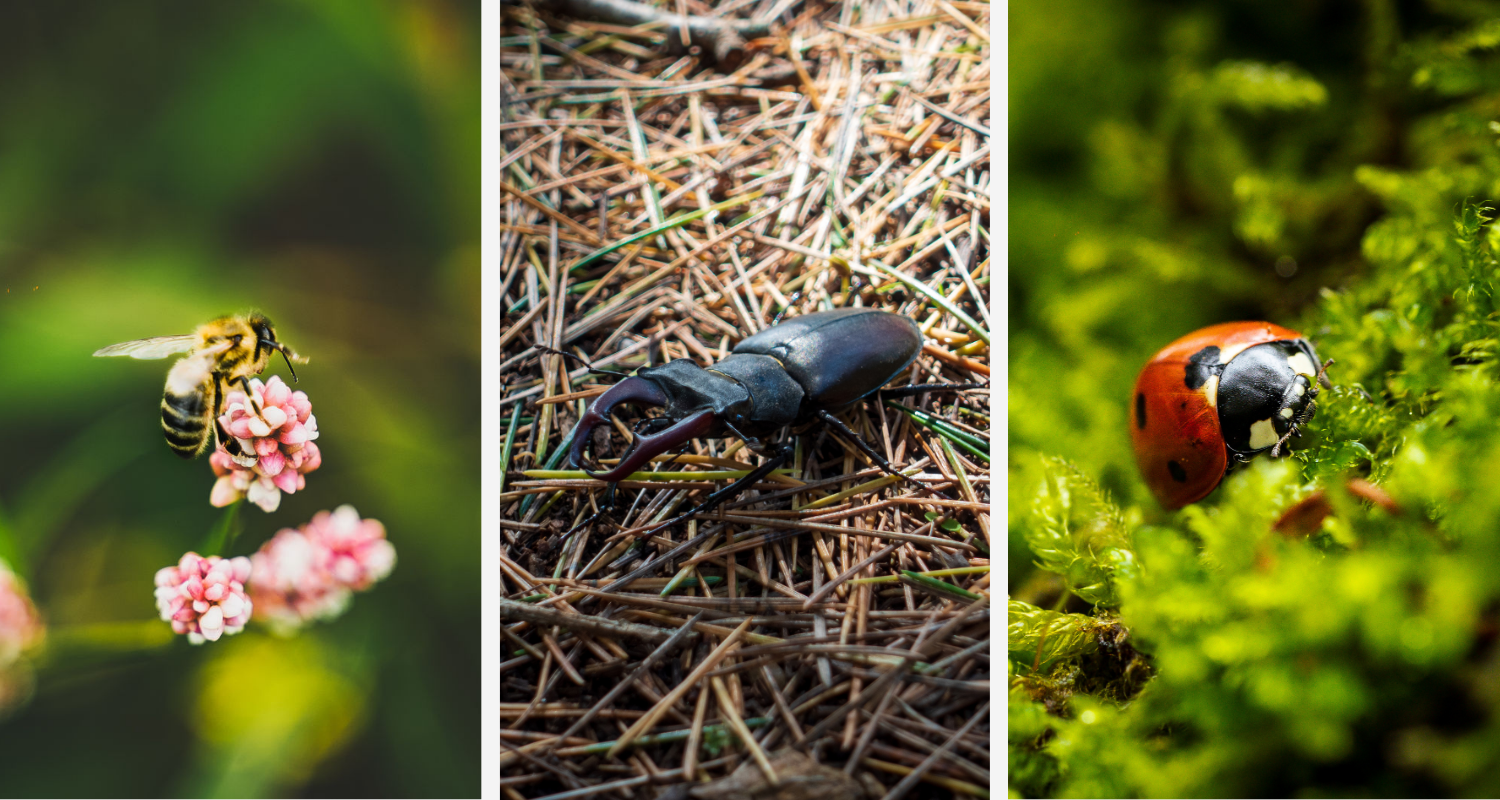
Pollinators such as bees, butterflies and hoverflies help trees and flowering plants produce seeds, fruits and nuts. In early spring, woodland flowers and hazel catkins provide pollen and nectar for emerging bees, which later support birds and mammals by sustaining forest food sources.
Without these insects, many berry-producing shrubs and trees would fail to reproduce, reducing food availability for wildlife.
2. Decomposers that recycle life
Beetles, ants, termites and fly larvae break down fallen leaves, branches and dead trees, returning nutrients to the soil. One well-known example is the stag beetle, whose larvae live in decaying wood for several years, transforming it into nutrient-rich soil.
Dead wood also becomes a habitat for mosses, fungi, spiders and countless invertebrates, increasing overall forest biodiversity.
3. Predators that keep ecosystems balanced
Predator insects like ladybirds and spiders feed on herbivores such as aphids, caterpillars and slugs, preventing them from overwhelming young trees and plants.
This natural regulation reduces the need for chemical pest control and helps forests maintain healthy growth patterns, ensuring a balanced and resilient ecosystem.
3 Trees to Plant for Biodiversity
Planting the right trees is a simple way to support forest biodiversity. Here are three key species that make a big difference in European forests.
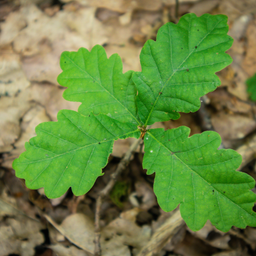
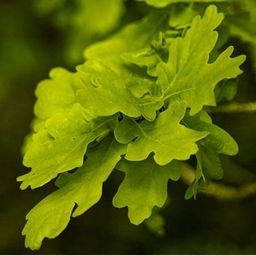
1. Oak, a hub for wildlife
Oaks, including Sessile and Pedunculate, are keystone species in European forests. They host hundreds of insects and provide food and shelter for birds and mammals. For example:
- Leaves: feed caterpillars, which in turn nourish birds during the breeding season
- Acorns: offer food to squirrels, deer, jays and wild boar, helping animals survive autumn and winter
- Old trees: develop cavities and dead branches, providing nesting and roosting sites for bats and birds
Thus, oaks anchor forest biodiversity, supporting life from the soil to the canopy and maintaining vibrant ecosystems.
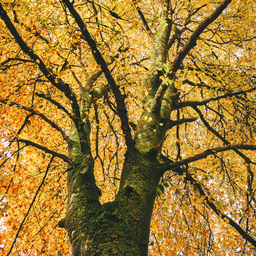
2. Beech, a shelter for soil life and wildlife
Beech trees create dense, shady canopies and shape the environment beneath them. They support rich soil life and wildlife through:
- Leaf litter: nourishes earthworms, beetles and fungi that decompose organic matter and improve soil fertility
- Nuts: feed birds and small mammals
- Branches and bark: provide roosting and nesting opportunities
Thus, Beech forests sustain ecosystems both above and below ground, fostering wildlife and healthy forest soil.
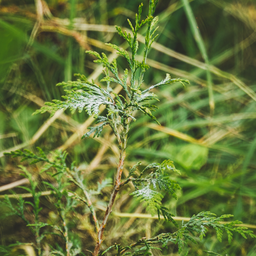
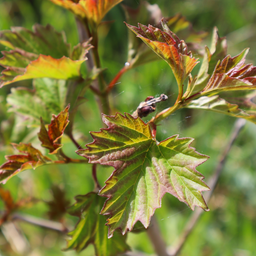
3. Hazel, a food source for insects and mammals
Hazel is vital in early spring, offering the first pollen for bees and other pollinators. Throughout the year, it continues to support forest wildlife by:
- Catkins and nuts: feed squirrels, dormice, jays and woodpeckers
- Dense shrubs: create safe shelter and nesting spots for birds and small mammals
- Habitat connectivity: helps wildlife move across forest edges, increasing biodiversity
Thus, Hazel strengthens forest edges and boosts ecosystem resilience, offering both food and shelter to a wide variety of species.
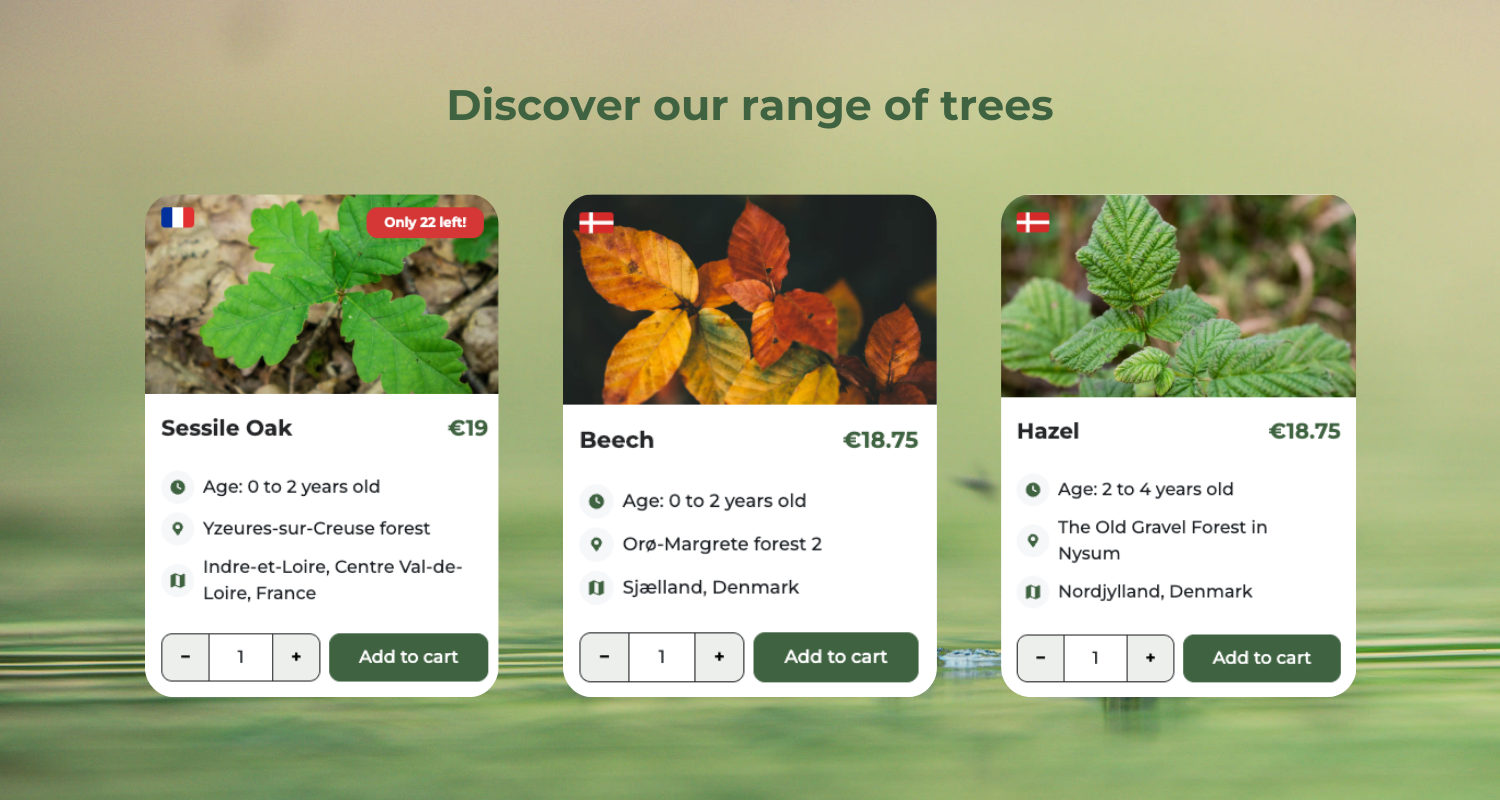
You can plant your own Oak, Beech or Hazel through the EcoTree tree shop.
How can you support forest biodiversity?
Protecting forest biodiversity does not require expert knowledge or special equipment. Everyone can contribute through informed choices and simple actions towards biodiversity conservation.
You can:
- Become a tree owner and support sustainable forest management
- Contribute to biodiversity projects such as ponds and wetland restoration
- Learn about forest ecosystems and share this knowledge with others
Every tree planted, every habitat restored, and every conversation about biodiversity conservation helps strengthen ecosystems and build resilience against climate change, particularly in primary forests.