Nysum, Denmark
- Habitats
- Water conservation
573 m²
restored out of 57300 m²
Why we need to protect and conserve forest biodiversity
Support all life on Earth
Forests are home to a multitude of our planet’s incredible plant and animal life. In fact, 80% of the Earth’s terrestrial biodiversity is found in forests.
Adapt to climate change
Healthy ecosystems are less exposed to the danger of natural hazards and better prepared for the impact of extreme weather events.
Protect plants and animals
More than 1 million animal and plant species are in danger of extinction. By protecting their habitats, we help them survive.
About the project
About the project
Our actions
Soil and site preparation
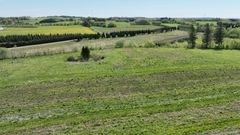
Actions were taken to prepare the site for restoration: Invasive and overmature vegetation was cleared. Harrowing, mowing, and grinding of compacted soil were carried out to facilitate root penetration and improve water retention. Targeted soil restoration efforts helped stabilise slopes and prevent erosion, laying the foundation for further ecological development.
Afforestation and sustainable forest management
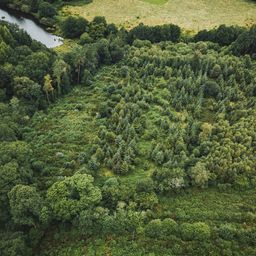
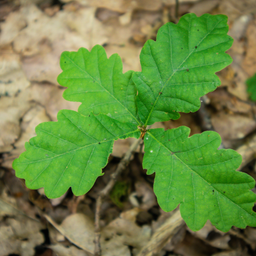
Afforestation efforts were focused on creating a thriving, diverse forest: Approximately 100,000 trees were planted, featuring 15 species including oak, linden, birch, douglas fir, beech, and hazel. Forest edges were established with robust shrub and tree species, promoting biodiversity and creating a favourable microclimate to support a variety of wildlife.
Wetland and biodiversity restoration
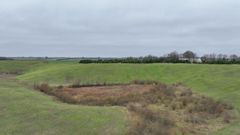
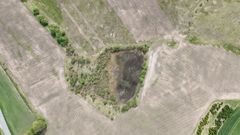
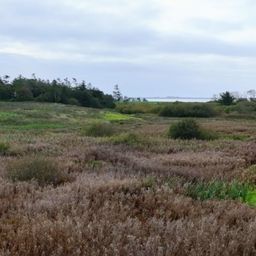
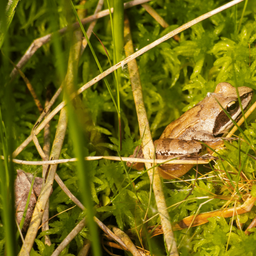
Key actions were taken to restore the wetlands and improve biodiversity: Diagnostic and restoration works were completed on two wetland areas to ensure the presence, either permanent or seasonal. Small channels and ponds were created to regulate drainage and provide valuable habitats for amphibians and aquatic species. Biodiversity enhancement equipment was installed, including bat and bird recorders, as well as bat and birdhouses. A long-term biodiversity monitoring plan was set in place for years 1, 5, and 10.
Monitoring and follow-up
Ongoing monitoring ensures the success and improvement of the ecosystem: Regular biodiversity monitoring and reporting cover birds, bats, flora, and fauna, ensuring that the restoration efforts are effective. An adaptive management approach is in place to continually improve the ecological health of the site over time, adjusting strategies as needed.