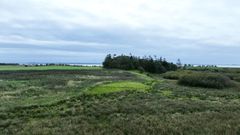
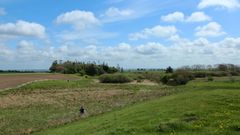
Bedsted Thy, Denmark
- Water conservation
- Pollination
7220 m²
restored out of 38000 m²
Why we need to protect and conserve forest biodiversity
Support all life on Earth
Forests are home to a multitude of our planet’s incredible plant and animal life. In fact, 80% of the Earth’s terrestrial biodiversity is found in forests.
Adapt to climate change
Healthy ecosystems are less exposed to the danger of natural hazards and better prepared for the impact of extreme weather events.
Protect plants and animals
More than 1 million animal and plant species are in danger of extinction. By protecting their habitats, we help them survive.
About the project
About the project
Our actions
Biodiversity Baseline Monitoring
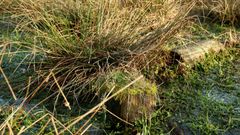
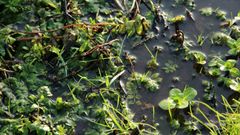
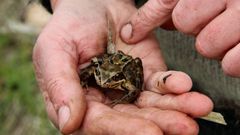
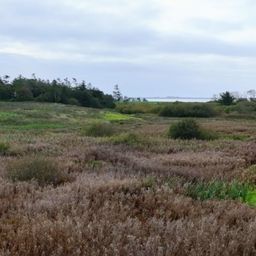
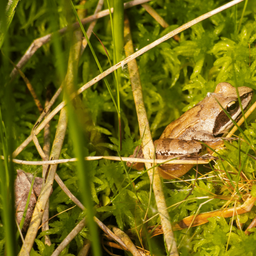
In May 2022, a comprehensive biodiversity baseline monitoring was conducted to assess the flora and fauna of the area. This included detailed surveys of wetland and grassland species, as well as an evaluation of soil types such as sandy loam and organic-rich soils. The goal was to establish a clear understanding of the ecosystem's current state.
Ecosystem Restoration and Afforestation
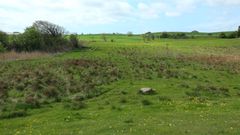
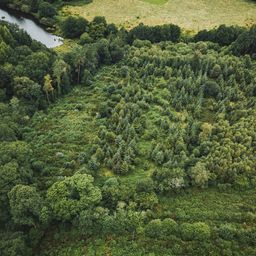
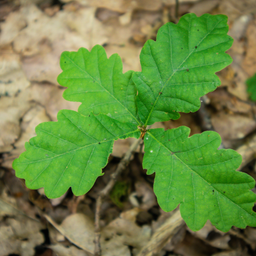
In 2022, the project focused on restoring the ecosystem through several key activities. Sustainable grazing was introduced using the biodiversity-friendly Dexter cattle. Mixed-species trees and bushes were also planted under a continuous cover forestry approach to enhance the biodiversity of the site, focusing on both wetlands and grassland ecosystems.
Ongoing Collaboration and Monitoring
The project includes continuous monitoring and adaptive management planned over a 10-year period. This ensures that biodiversity changes are tracked and strategies are adjusted accordingly. Collaboration with local authorities is maintained to ensure the project remains in line with legal requirements, particularly concerning § 3 protected areas and other environmental protections.