Jan 5, 2026
What happens in the forest during winter?
Discover what happens in forests during winter and how EcoTree continues its work year-round.
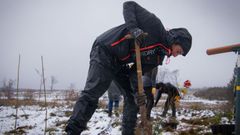
When winter settles in, forests may look quiet, even asleep. Trees stand still, leaves have fallen, and wildlife seems to disappear. But beneath this calm surface, forests are far from inactive. Winter is a critical season for forest ecosystems and a crucial period for sustainable forest management.
Let’s take a closer look at what really happens in forests during winter, and how winter conditions shape forest work differently in Denmark, France, and Germany.
A forest in winter: resting, not stopping

Winter is often described as a period of dormancy for forests, and for good reason.
As temperatures drop and daylight hours shorten, trees slow their growth to conserve energy. Deciduous trees shed their leaves to reduce water loss, while evergreen species continue photosynthesis at a much slower pace. Sap flow decreases, metabolic activity slows, and trees enter a protective resting phase that helps them survive cold, frost and wind.
But forests don’t “switch off”.
Life beneath the surface
- Soil life continues: microorganisms, fungi and insects remain active underground, especially when snow acts as a natural insulating blanket.
- Nutrient cycles continue: fallen leaves and organic matter slowly decompose, enriching the soil for the next growing season.
- Water regulation improves: winter precipitation replenishes groundwater and soil moisture, essential for spring growth.
Wildlife adapts in different ways
- Some hibernate or reduce activity.
- Others migrate or change behaviour.
- Tracks in snow often reveal more wildlife presence than we notice in summer.
Winter is not an absence of life; it is a season of adaptation and preparation.
Winter doesn’t look the same everywhere: Denmark, France and Germany
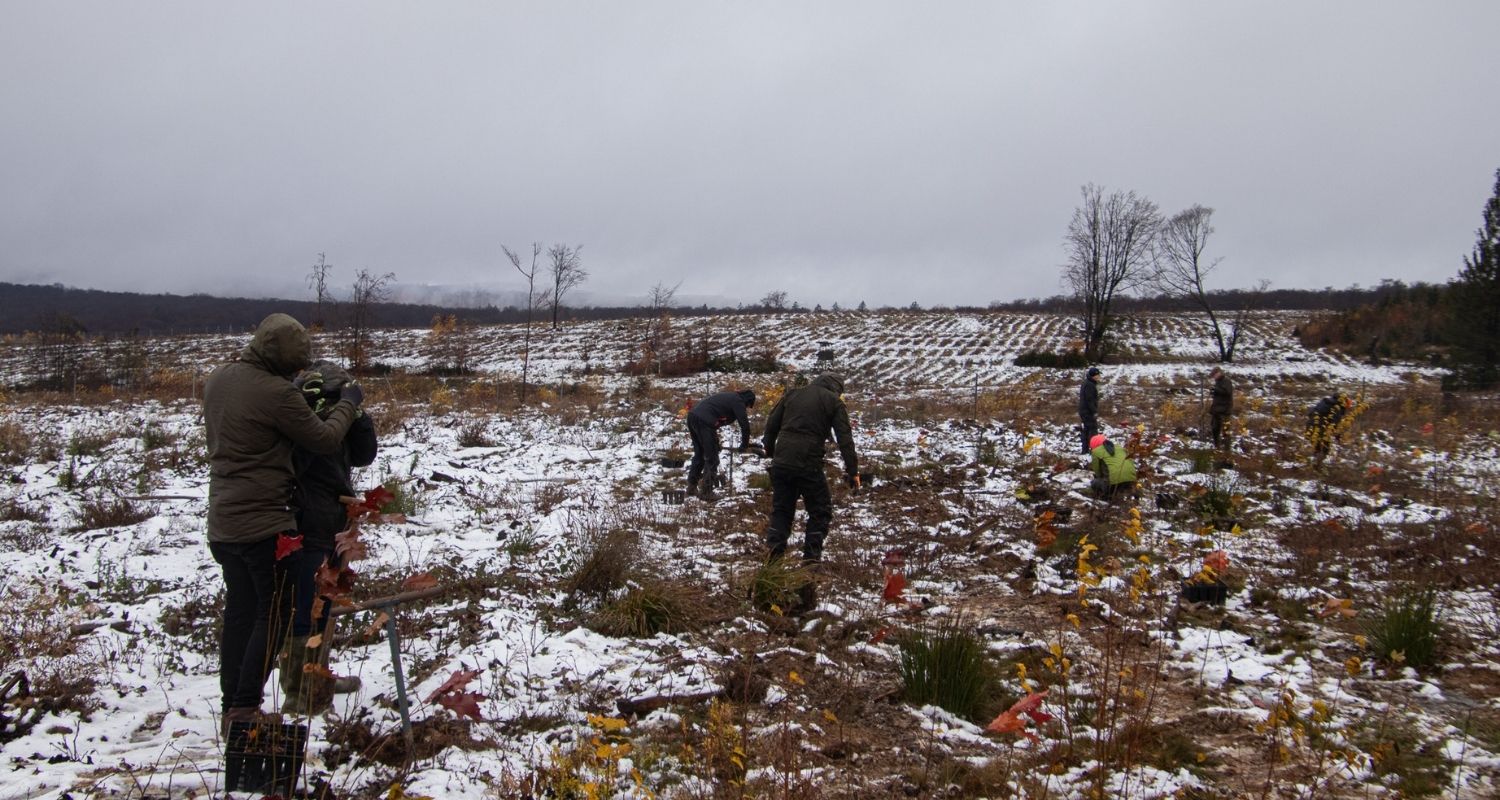
One of the most important things to understand about winter is that climate matters. Winter conditions, and therefore forest work, vary significantly across Europe.
Winter in our Danish forests
In Denmark, winter often brings:
- Frozen or waterlogged soils
- Low temperatures
- Short daylight hours
These conditions make tree planting impossible or risky during the winter months. Planting in frozen ground can damage roots and reduce survival rates, something sustainable forest management actively avoids. Instead, Danish forests enter a true resting phase.
Discover our Orø-Margrete forest, one of our forests in Denmark.
Winter in French forests
In many parts of France, winter looks very different:
- Soils remain mostly workable
- Frost is less persistent
- Moist conditions are ideal for young trees
As a result, winter is a key planting season in France. Planting trees during winter allows roots to establish before spring growth begins, increasing resilience and long-term survival. This contrast is a perfect example of why local conditions matter in forestry, and why forest management must adapt to geography, climate and soil.
Winter in German forests
Germany falls somewhere between Denmark and France when it comes to winter forestry work. In some regions, cold temperatures and frozen soils make planting difficult, much like in Denmark.
However, in areas with milder winters or lower elevations, there are still opportunities for planting and maintenance work. Germany’s forestry teams take advantage of these conditions to extend planting windows in suitable locations.
Winter is also a time for forest planning in Germany, from selecting the right species for future planting to ensuring that all forestry operations are ready for the coming growing season.
Disover our Harz forest (Stolberg) in Germany and the work we are doing there.
What EcoTree does during winter
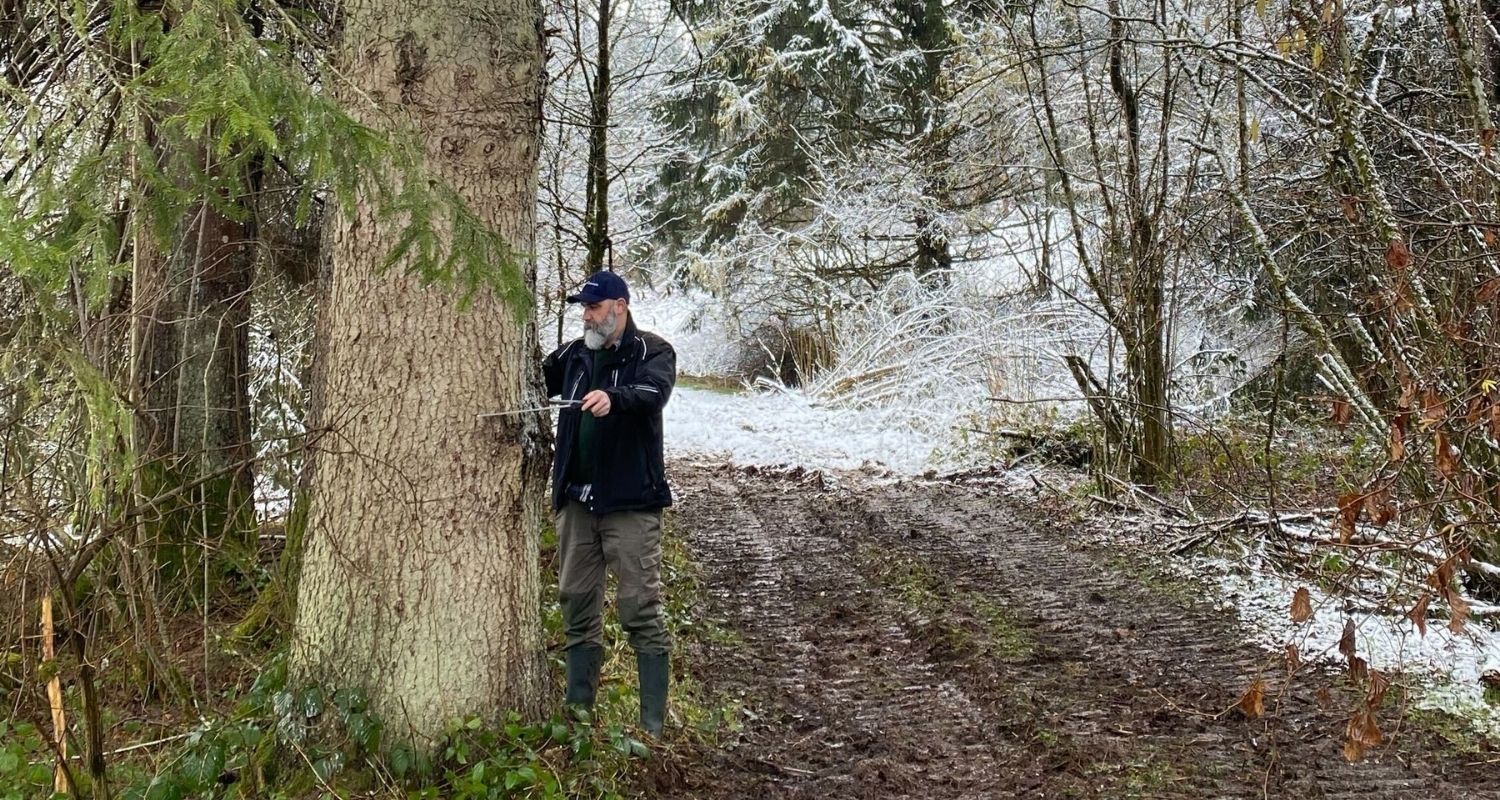
While winter slows forest growth, EcoTree remains active across all regions, adapting our efforts to the local climate.
- In Denmark, where freezing temperatures halt planting, we focus on forest monitoring, maintenance, and long-term planning. This includes assessing tree health, preparing planting sites, and ensuring our forests are ready for spring.
- In France, winter is planting season. EcoTree teams expand forests, planting new trees and enhancing biodiversity, taking advantage of milder conditions to establish strong roots before the growing season begins.
- In Germany, winter work depends on the region. In warmer areas, we may plant trees, while in colder regions, our teams are busy planning, monitoring, and maintaining forests to ensure they thrive in the coming months.
Winter is a time for strategic action. No matter the season, we’re working year-round to ensure the health and growth of our forests.
Why winter matters for the future of forests
Winter is not just a pause between growing seasons. It is:
- A recovery period for ecosystems,
- A strategic planning season for forest managers,
- A foundation phase for spring growth.
The decisions made and the work done during winter directly shape how forests will grow, adapt and thrive in the years to come.

Visiting forests in winter: a different perspective
Winter forests offer a unique experience, where you may find:
- Clearer views through leafless canopies,
- Animal tracks in snow or mud,
- A quieter, more reflective atmosphere.
Walking through a forest in winter is a reminder that nature works on long timelines and that even in stillness, something important is happening.
Enjoying our forest pictures? You can find plenty more of those over on the EcoTree International Instagram account. We’ll continue to post beautiful images from our growing forests throughout the season.
It’s also a great place to follow our progress when it comes to biodiversity projects, new forests, our latest innovations and even special offers.
What to make an impact? Invest in our forestry projects!
EcoTree makes it easy for anyone to support forests, take climate action and protect biodiversity. Here are a few ways to contribute:
- Become a tree owner through our online tree shop where you can find your favourite species among the many we have to offer,
- Help us create and maintain vital natural habitats, take a look at our biodiversity conservation projects,
- Companies can get bespoke and tailored offers by contacting our team of experts.