Apr 10, 2026
On building thriving wetlands together.
How a drained Belgian peatland becomes home to species like beavers, cranes and water clover again; and the partnership making it possible.
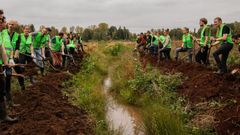
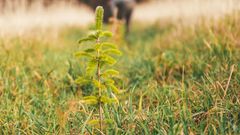
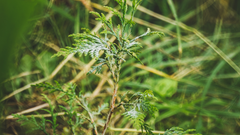
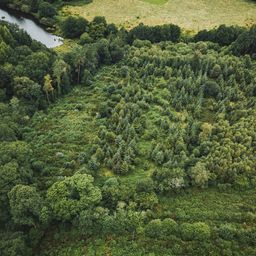
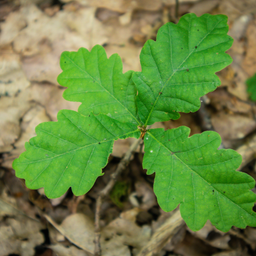
Water clover is sprouting from the soil. Beavers are building new dams. Cranes are nesting again. The Lange Beemden wetlands are waking up. And a special partnership makes it possible.
Peatlands cover only 3% of the Earth's land surface, yet they store more carbon than all the world's forests combined. These ancient ecosystems took thousands of years to form, layer by layer. Over the last century alone, more than 80% of Europe's wetlands were drained through man-made ditches to make the land farmable. In Belgium's Black Creek Valley, over 1,000 kilometres of ditches were dug, drying out the peat and releasing centuries of stored carbon into the atmosphere. Since then, much has changed, and we are now seeing the benefits of healthy peatlands: not just as carbon but as water storage and a home to many species. We are ready to act. To make this possible, we need expertise, enthusiasm and the right partners.

Three organisations, one goal
As a project manager specialising in climate, biodiversity and water projects across Europe, EcoTree got the project off the ground. Natuurpunt, the landowner and a leading nature conservation organisation in Belgium, provided access to the site and the essential local knowledge. The financial backing came from the Planet Wild community: a global network of people who fund hands-on restoration projects every month through their memberships.
What we are achieving
- Together, we are restoring seven hectares of peatland in the Lange Beemden, Belgium.
- By removing barriers and restoring water levels, we are creating the conditions for the land to heal itself.
- We are monitoring the area for 5 years.
- We are building a home for many species including beavers and cranes.
The Planet Wild community on the field
Restoration isn't just a technical undertaking; it needs humans, too. That’s why EcoTree was joined by Planet Wild community members from Germany, France and Belgium for a full day of restorative work.
This is what they did:
- Filling up ditches to stop the drainage of the area
- Removing unwanted vegetation
- Removal of invasive saplings and fast-growing grasses
They saw first hand and for the first time what power these ecosystems have. Are you curious, yet? The full story is captured in the video.
Why peatland restoration matters
Wetland restoration is one of the most powerful tools we have in the fight against climate change. Projects like Lange Beemden show what's possible when a committed landowner, a project manager and a global community of engaged citizens come together around a shared goal. And the best part: By doing so we are building crucial conditions for life to thrive. What a better collaboration can there be?
Discover our project partners