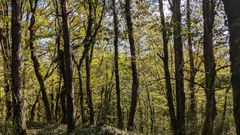
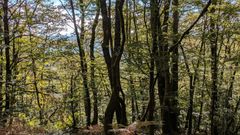
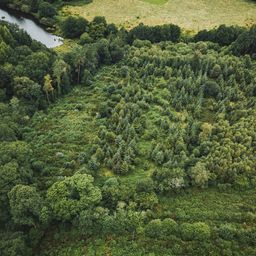
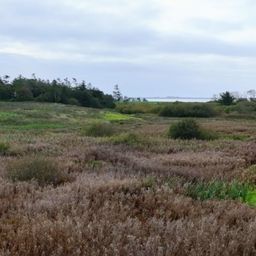
Monceaux-Sur-Dordogne, France
- Social impact / Awareness
- Pollination
- Habitats
- Water conservation
40820 m²
restored out of 204100 m²
Why we need to protect and conserve forest biodiversity
Support all life on Earth
Forests are home to a multitude of our planet’s incredible plant and animal life. In fact, 80% of the Earth’s terrestrial biodiversity is found in forests.
Adapt to climate change
Healthy ecosystems are less exposed to the danger of natural hazards and better prepared for the impact of extreme weather events.
Protect plants and animals
More than 1 million animal and plant species are in danger of extinction. By protecting their habitats, we help them survive.
About the project
About the project
Our actions
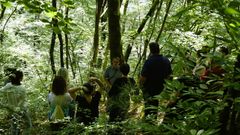
Field trips by an ornithologist
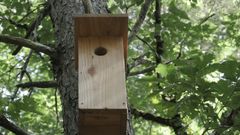
Selection of nest box sites where there is an identified habitat deficit Installation of nesting boxes Monitoring before and after the work using a protocol from the Natural History Museum with the addition of a participatory science programme. Inventories are carried out by identifying bird songs.
Raising awareness of issues related to biodiversity
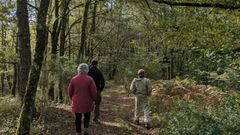
Creation of an interactive educational trail Workshop to raise awareness of biodiversity issues for schoolchildren and the general public
Monitoring of wild pollinators
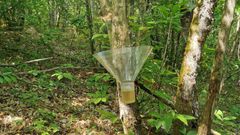
Setting up surveys of the wild bees present on the site Establishment of melliferous species adapted to the environment and to the present and potential pollinators